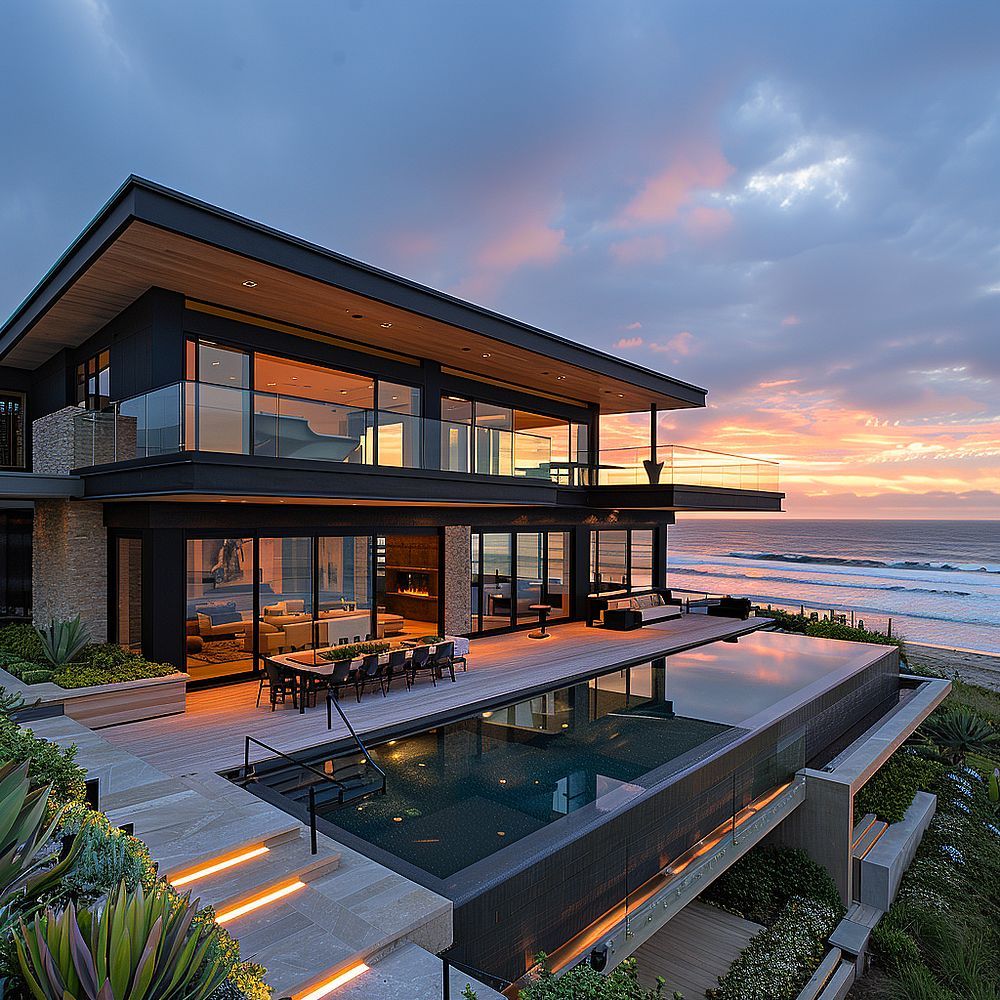
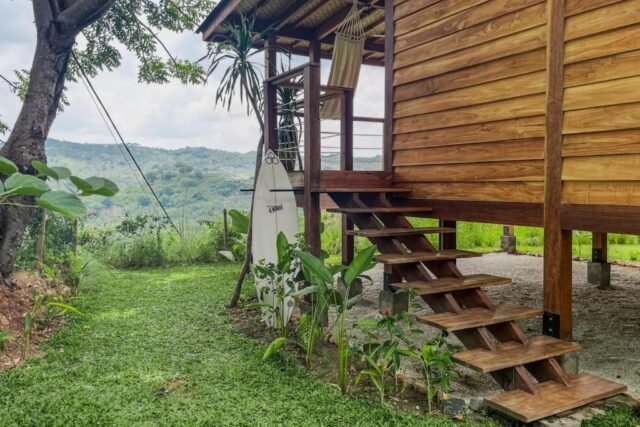
What “Off-Plan” Actually Means
Off-plan means you’re buying the villa before, or during, its construction. You’re committing based on architectural drawings, renderings, material specifications, and the developer’s track record. Payments are typically structured in stages tied to construction milestones (foundation, structure, roof, finishing, handover), which spreads your capital outlay over 12 to 24 months instead of demanding it upfront.
The appeal is mathematical. You’re locking in today’s price for a property that will be delivered into a future market — and in a fast-appreciating region like Kuta Mandalika, that gap can represent meaningful capital gain before you’ve even taken the keys.
Why Off-Plan Often Outperforms
There are four reasons sophisticated investors lean off-plan in emerging markets:
Price lock-in. Phase 1 buyers in a multi-phase development almost always pay less than Phase 3 buyers. As units sell, developers raise prices in line with absorption. Buying early is buying at the bottom of the project’s own appreciation curve.
Customization windows. Before a villa is built, you can often influence finishes, fixtures, and sometimes even spatial details. After it’s built, you’re buying someone else’s choices.
Staged payments. Instead of deploying $400K in a single transaction, you might pay 30% on signing, 30% during build, 30% at topping-out, and 10% at handover. That capital efficiency lets you maintain liquidity for other moves.
Built-in capital growth. If a project takes 18 months to deliver and the surrounding market appreciates 15–25% in that period, you’ve earned a return before the property even exists.
Where Off-Plan Goes Wrong
Off-plan is not without risk. The biggest failure point is the developer, not the property. A delayed timeline, a substituted material, or a builder who runs out of capital halfway through can turn a promising investment into a slow disaster.
This is why due diligence on the developer matters more than due diligence on the brochure. Look for a track record of completed projects, transparent payment escrow arrangements, clear contracts that specify what happens in case of delay, and physical evidence of construction progress — not just renderings.
Why Ready-Built Still Has a Place
Ready-built properties are the opposite trade. You see what you’re buying. You can inspect every joint, every plumbing line, every view. There’s no risk of the project not completing, because it’s already complete.
For investors who need immediate cash flow — say, a vacation rental that needs to start generating yield this quarter — ready-built is the only sensible option. Off-plan delays your income window by the length of the construction period.
Ready-built also makes sense for buyers who don’t trust their ability to assess developer risk, or who simply prefer the certainty of a finished asset. The trade-off is that you’ll usually pay 15–30% more for the same square meters than you would have paid as an off-plan Phase 1 buyer.
The Hidden Cost of Ready-Built
The market often overlooks one factor: when a villa is already two or three years old at the point of sale, its remaining useful life is shorter, and its design language may already be dating. A ready-built villa from 2022 may carry the visual signatures of a previous market cycle. An off-plan villa being delivered in 2027 is being designed for the buyer of 2027.
In a market like Kuta Mandalika, where architectural standards are rapidly maturing, design freshness is itself a form of value preservation.
Who Should Choose What
The honest framework is this:
Choose off-plan if you have a 3–7 year horizon, want capital appreciation as part of your return, can tolerate some construction-phase uncertainty, and have done your homework on the developer. This is the path most LITHOS investors are choosing in 2026.
Choose ready-built if you need immediate rental income, are deploying capital you can’t tie up over a build cycle, or are buying primarily for personal use rather than as a portfolio asset.
Both are valid. The mistake is treating them as interchangeable — they’re not. Off-plan is a development play with embedded growth. Ready-built is a yield play with no construction risk. Match the structure to your strategy, not the other way around.
If you’d like to discuss which strategy fits your situation, our advisory team is available to walk through both options against your specific goals.